Service 05 — Couch Steam Cleaning
Couch and upholstery steam cleaning
Fabric seating holds years of skin cells, dust mites, spilled coffee and body oil. Steam extraction takes it out — and unlike a surface shampoo, it doesn't leave a residue that attracts the next lot.
Quote this service
Scoped reply within 1 business day
Overview
About our couch steam cleaning.
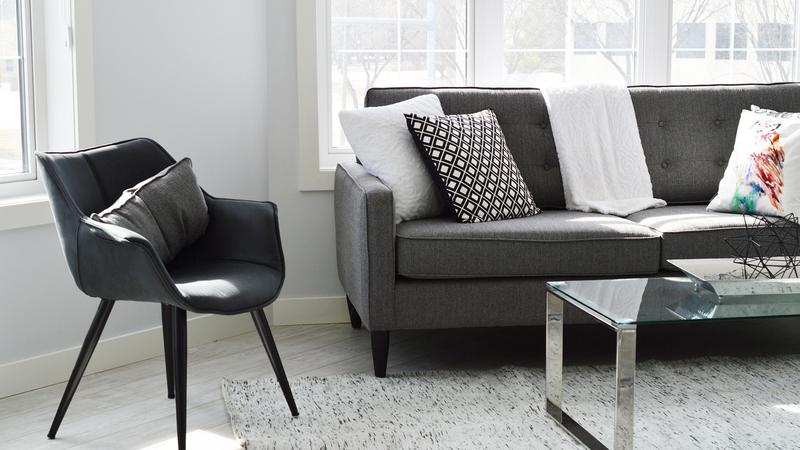
A three-seater in a family home or a waiting room absorbs an extraordinary amount. Dust settles into the weave, body oils transfer into the arms and headrests, and the whole piece slowly darkens in a way that's invisible day to day and obvious the moment one cushion gets cleaned next to another.
We use hot steam extraction sized for upholstery — enough heat to break down oils and kill dust mites, with controlled moisture so the fabric doesn't get saturated. Everything starts with a fabric test in a hidden spot, because velvet, linen, microfibre and leather all want different handling and some fabrics can't take water at all.
It's the same visit whether it's a household lounge suite, a floor of office task chairs, or the fabric banquettes in a restaurant. Office chairs in particular are worth doing — they're the highest-contact fabric in most buildings and almost never get cleaned.
Upholstery carries a cleaning code — W, S, WS or X — and ignoring it is how fabric gets water-marked or shrunk. We check the tag and test an inconspicuous area first. If a piece can't take wet extraction, we'll tell you and recommend a dry method instead.
Scope
What our couch steam cleaning includes.
Everything below is written into the quote before anyone starts work.
Fabric identification and test
Cleaning code checked and a hidden patch tested for colourfastness before anything else happens.
Deep vacuuming
Crevices, seams and under-cushion areas vacuumed to lift the dry soil and grit first.
Stain pre-treatment
Food, drink, ink and body-oil marks spot-treated with chemistry matched to the fabric.
Hot steam extraction
Heated extraction through the pile to lift embedded soil, oils and allergens out of the weave.
Cushions and both faces
Removable cushions cleaned on both sides, not just the face that's showing.
Arms and headrests
The oil-heavy contact points that discolour first get concentrated attention.
Odour treatment
Pet, smoke and food odours treated at the source in the fabric rather than sprayed over.
Office and venue seating
Task chairs, waiting-room seating, banquettes and function-room chairs done in volume on site.
Fabric protection
Optional protector reapplied so the next spill sits on top long enough to be blotted up.
Why us
Why sites book couch steam cleaning with THNZL.
Heat, not just soap
Steam breaks down body oils that a cold shampoo simply spreads around and leaves behind.
Controlled moisture
Enough water to clean, little enough to dry in hours — no soaked cushions, no water rings.
Fabric-appropriate method
The code on the tag decides the method. Velvet, linen and microfibre are not interchangeable.
Volume seating on site
Office and venue chairs cleaned in place, overnight, without anything leaving the building.
The payoff
What you get out of it.
Cleaner air in the room
Upholstery is a reservoir for dust mites and allergens — extraction removes them instead of stirring them up.
Furniture worth keeping
A cleaned lounge suite often looks close enough to new to defer a replacement by several years.
Odour actually gone
Treating the source removes the smell rather than layering fragrance over it for a fortnight.
A better waiting room
Clean, un-stained seating is one of the fastest reads a customer makes about a business.
How it works
From enquiry to first clean.
Five steps, no mystery. You know what happens next at every stage.
Request a quote
Send the site details or call us. No call centre — you speak to the people who run the crews.
Site assessment
We walk the site, note access hours, hazards and the areas that actually get dirty.
Tailored scope
You get a written scope and a fixed price. Everything included is on the page before work starts.
Scheduled cleaning
Your assigned crew starts on the agreed date and keeps the same faces on the roster.
Quality check-in
Your client manager reviews the site with you and adjusts the scope as the building changes.
FAQs
Couch Steam Cleaning — your questions.
How long does upholstery take to dry?
Typically two to six hours depending on fabric density and airflow. Open a window or run the air conditioning and it's at the shorter end. Thick weaves and cold, still rooms take longer.
Can you clean leather lounges?
Leather isn't steam cleaned — it's cleaned and conditioned with products made for hide. We do that as a separate treatment, and it's worth doing because conditioning is what stops leather cracking at the seams.
Will the stains come out?
Most will. Food, drink, body oil and general soiling respond well to hot extraction. Dye transfer, ink that's had time to set, bleach marks and sun-faded fabric are permanent changes to the fibre and no cleaning method reverses them. We tell you which is which before we start.
Do you clean office chairs in bulk?
Yes, and it's one of the more worthwhile things a building can schedule. We do whole floors of task chairs in an after-hours visit — they're the most-used fabric on site and the most overlooked.
Does steam cleaning kill dust mites?
The temperatures used in hot extraction kill dust mites and remove a large share of the allergen load along with them. For allergy-sensitive households or childcare settings that's usually the main reason to book it.
Keep reading
Related services
Need couch steam cleaning in Adelaide?
Send the site details and we'll come back within one business day with a fixed-price scope.